>>

A fast, pantry-friendly salmon finished with a sweet-savory garlic-ginger glaze — gluten free, soy free option, and ready in 30 minutes for weeknight dinners.
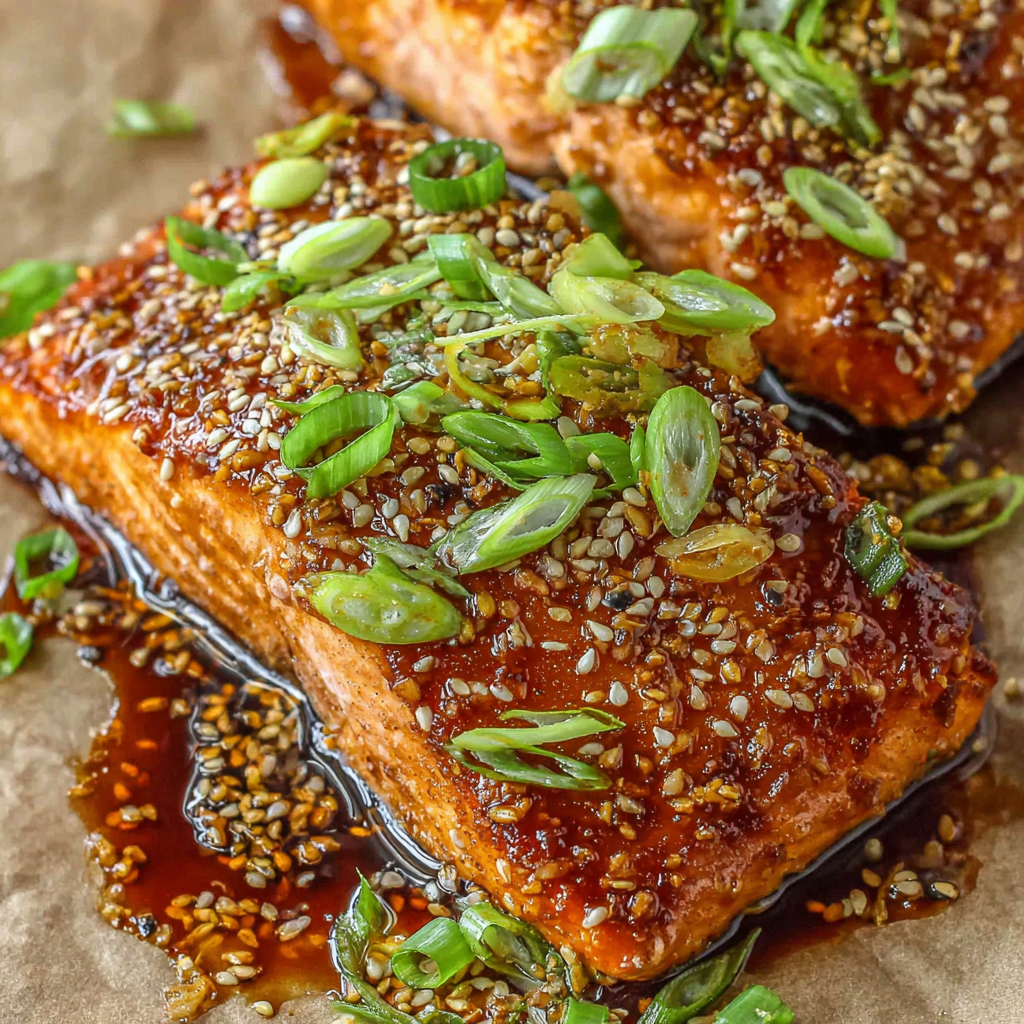
This 30-minute garlic ginger glazed salmon has become my go-to weeknight lifeline. I discovered this quick glaze on a busy evening when I had a lonely piece of salmon in the fridge and only pantry staples to save dinner. The result was unexpectedly bright: a glossy, slightly sticky coating that balances salty, sweet, and aromatic heat from fresh ginger and garlic. It’s the kind of dish that feels restaurant-level but comes together without any marinade time. The texture of the salmon stays tender and flaky while the glaze caramelizes at the end, giving you a crisp, flavorful top without drying out the fish.
I love this preparation because it respects the salmon: it doesn’t drown it in heavy sauce, it highlights the fish’s natural richness, and it’s flexible — use coconut aminos for a soy-free, gluten-free meal, or tamari if you prefer. I often make it on Tuesday nights when my schedule is tight; my partner calls it the ‘fast fancy’ dinner. The bright ginger and garlic cut through the salmon’s oiliness, and the small hit of honey gives just enough sweetness so the glaze browns beautifully under high heat. It’s simple, quick, and reliably delicious.
In my kitchen this dish reliably earns compliments; the first time I served it to friends they asked for the recipe immediately. It’s become a staple for small dinner parties because it looks polished but requires very little hands-on time. I often make the glaze in the same bowl I whisk it in, pour over the fish, and then spoon it over once or twice while it bakes — a foolproof technique that locks in flavor without fuss.
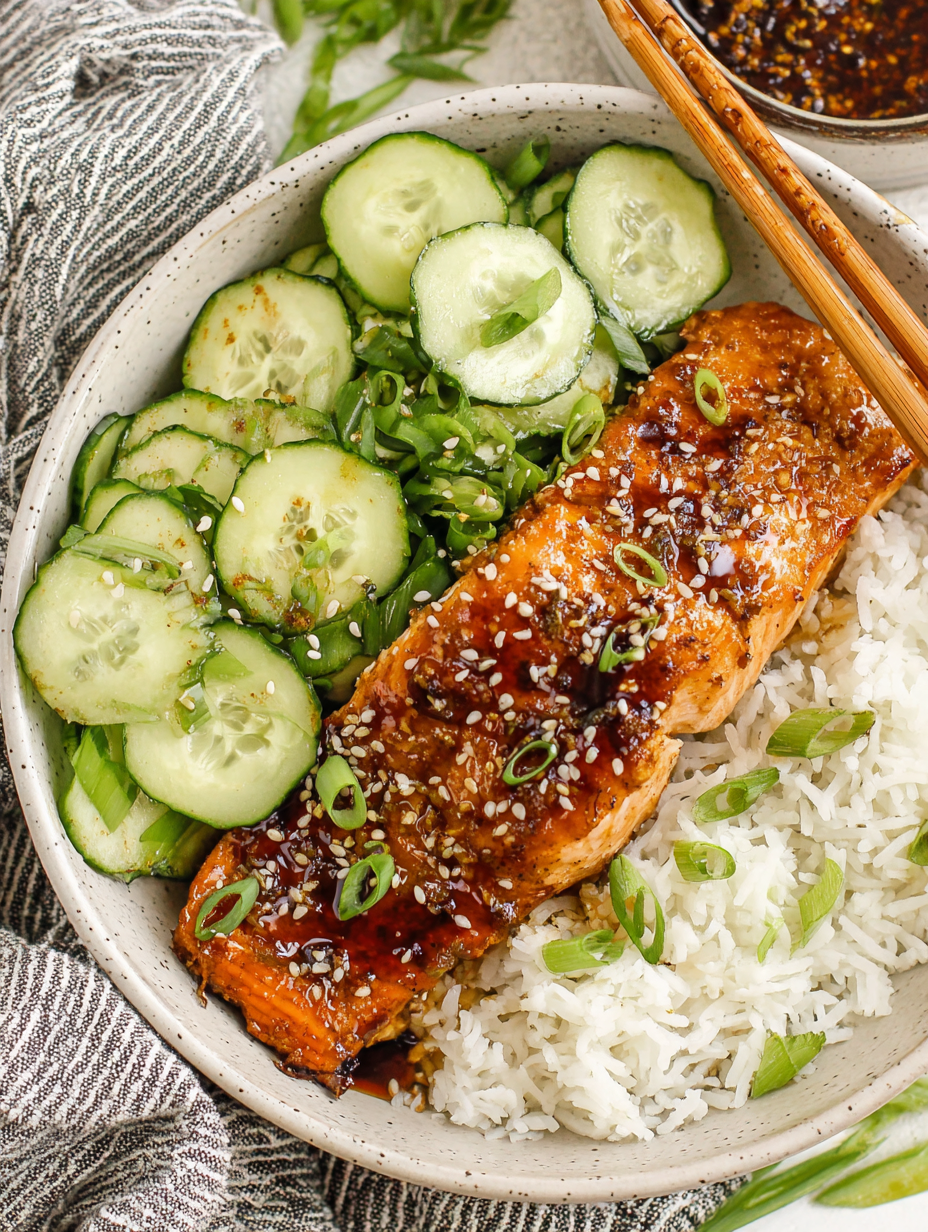
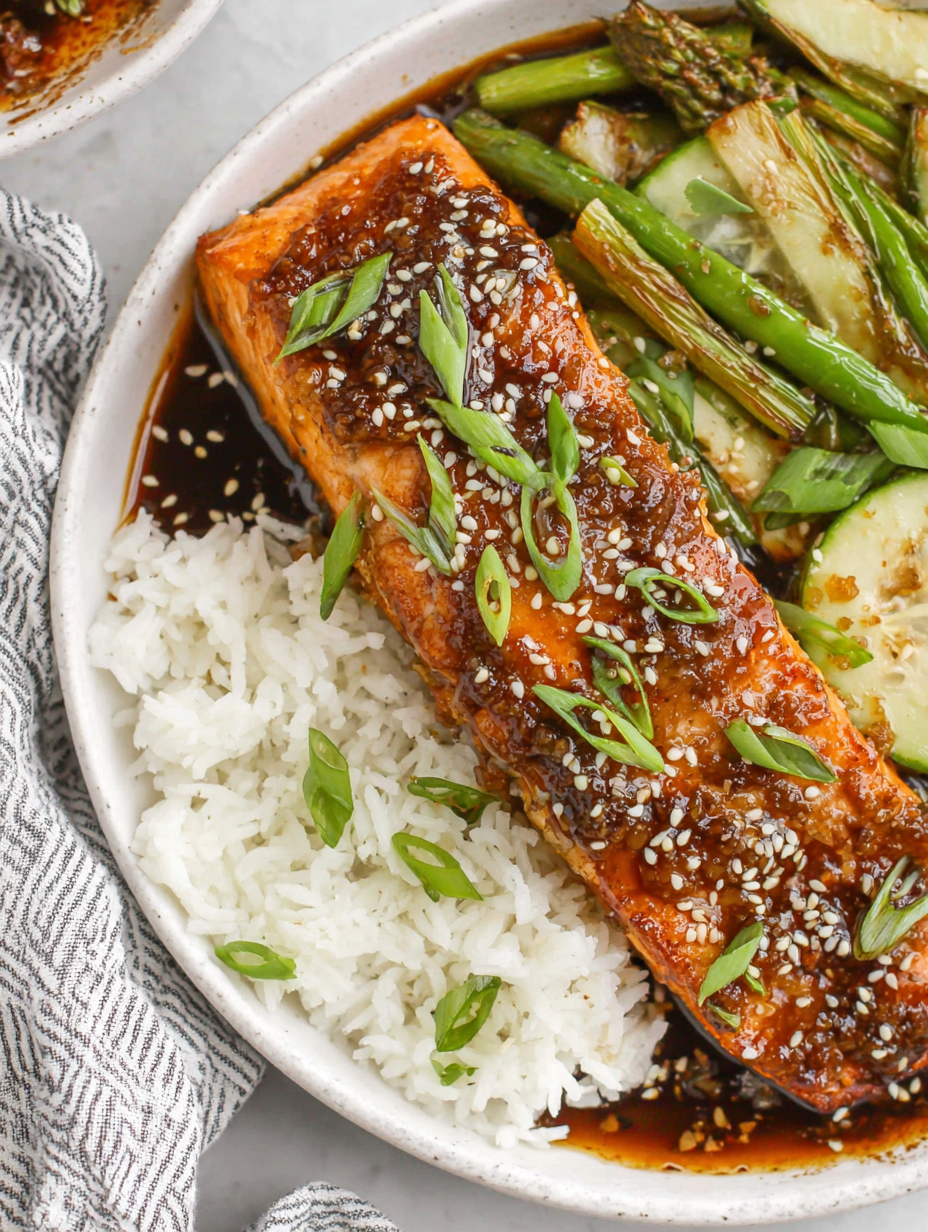
My favorite aspect is how forgiving the recipe is: the glaze can be adjusted to taste (more vinegar for tang, more honey for sweetness) and it still sings. Guests often comment on the balance of flavors — the ginger is bright, the garlic warm, and the sesame oil ties everything together. For special occasions I serve it with a citrusy salad and toasted sesame rice to make the meal feel celebratory without stress.
Store cooled leftovers in an airtight container in the refrigerator for up to 3 days. Use shallow containers to cool the salmon quickly and maintain texture. To reheat, place on a parchment-lined sheet pan and warm in a 300 degrees F oven for 8–10 minutes until just heated through; this gentle method preserves moisture better than the microwave. If you need to freeze, wrap tightly in plastic wrap then aluminum foil and freeze for up to 2 months. Thaw overnight in the refrigerator before reheating.
If you don’t have coconut aminos, swap in gluten-free tamari for a deeper savory note; reduce added salt slightly. Maple syrup is an alternative to honey for a different sweetness and a slightly darker caramelization. Use lime juice in place of rice vinegar for a brighter citrus twist. For sesame oil substitution, a neutral oil plus a teaspoon of tahini mixed into the glaze will mimic nuttiness without overwhelming the palate.
Serve over steamed jasmine rice or a bed of quick sautéed bok choy and garlic. A cucumber salad dressed with rice vinegar and sesame oil adds refreshing crunch, while roasted sweet potatoes pick up the glaze’s sweet-savory profile. Garnish with toasted sesame seeds and microgreens for a restaurant-ready presentation. For a lighter meal, pair with a citrusy arugula salad and shaved fennel.
This preparation is Asian-inspired, combining elements commonly used in East Asian kitchens: rice vinegar for acidity, sesame oil for aroma, and coconut aminos or tamari as the savory backbone. It’s a modern, pantry-friendly take that borrows technique — quick high-heat finish for caramelization — rather than a strict traditional recipe. The glaze echoes the balance found in many Asian sauces: salty, sweet, tangy, and umami, adapted to be gluten free and approachable at home.
In spring and summer, brighten the glaze with citrus zest and serve with a green mango or cucumber salad. In fall, swap honey for maple syrup and pair with roasted root vegetables. For winter entertaining, add a splash of orange juice to the glaze and finish with toasted walnuts for warmth. Substituting scallions for fresh chives also adapts the flavor profile subtly with seasonal produce.
To meal prep, portion salmon into individual foil packets with half the glaze on each; refrigerate and bake on the day you plan to eat for best texture. Alternatively, pre-mix the dry elements of the glaze and keep honey separate — whisk together on the day to maintain freshness. Cooked portions reheat well when gently warmed; pack with steamed vegetables and a wedge of lemon for quick lunches.
When you make this, remember the small technique points — pat dry, spoon glaze halfway through, and finish at high heat for caramelization. Those little steps are what make the dish consistently excellent and easy to replicate.
Pat the salmon completely dry before seasoning to encourage browning and prevent steaming.
Reserve a bit of glaze to spoon over halfway through baking — this layers flavor and helps create a glossy finish.
Watch the final high-heat step carefully; sugars in honey caramelize quickly and can burn.
Use an instant-read thermometer to avoid overcooking—125–130°F in the thickest part yields moist, flaky salmon.
Line the pan with parchment for easy cleanup and to prevent the glaze from sticking.
This nourishing 30-minute garlic ginger glazed salmon (gluten free!) recipe is sure to be a staple in your kitchen. Enjoy every moist, high protein slice — it is perfect for breakfast or as a wholesome snack any time.
Yes — the same amount of sauce will coat up to 1 pound of salmon. For 1 1/2 pounds, double the recipe and increase baking time to 20–25 minutes.
Use an instant-read thermometer. Aim for 125–130 degrees F for medium; the fish will continue to cook after you remove it from the oven.
This 30-Minute Garlic Ginger Glazed Salmon (Gluten Free!) recipe makes perfectly juicy, tender, and flavorful steak every time! Serve with potatoes and a side salad for an unforgettable dinner in under 30 minutes.
Preheat oven to 400°F to allow even cooking; if your oven runs hot, use the lower end of the temperature range.
Pat salmon dry, season with kosher salt, and place skin-side down on parchment-lined baking dish or skillet.
Combine coconut aminos (or tamari), rice vinegar, honey, hot sauce (optional), sesame oil, grated garlic and ginger, and sesame seeds. Stir in cut green onions.
Pour most glaze over the salmon, bake 15–17 minutes at 400°F, spooning glaze over halfway through. Cook until it flakes and thickest part reaches about 125–130°F.
Increase oven to 450°F, spoon remaining glaze over salmon, return for 3–5 minutes to caramelize. Garnish with sesame seeds and sliced green onions, rest 2 minutes before serving.
Last Step: Please leave a rating and comment letting us know how you liked this recipe! This helps our business to thrive and continue providing free, high-quality recipes for you.
Leave a comment & rating below or tag
@yummique on social media!
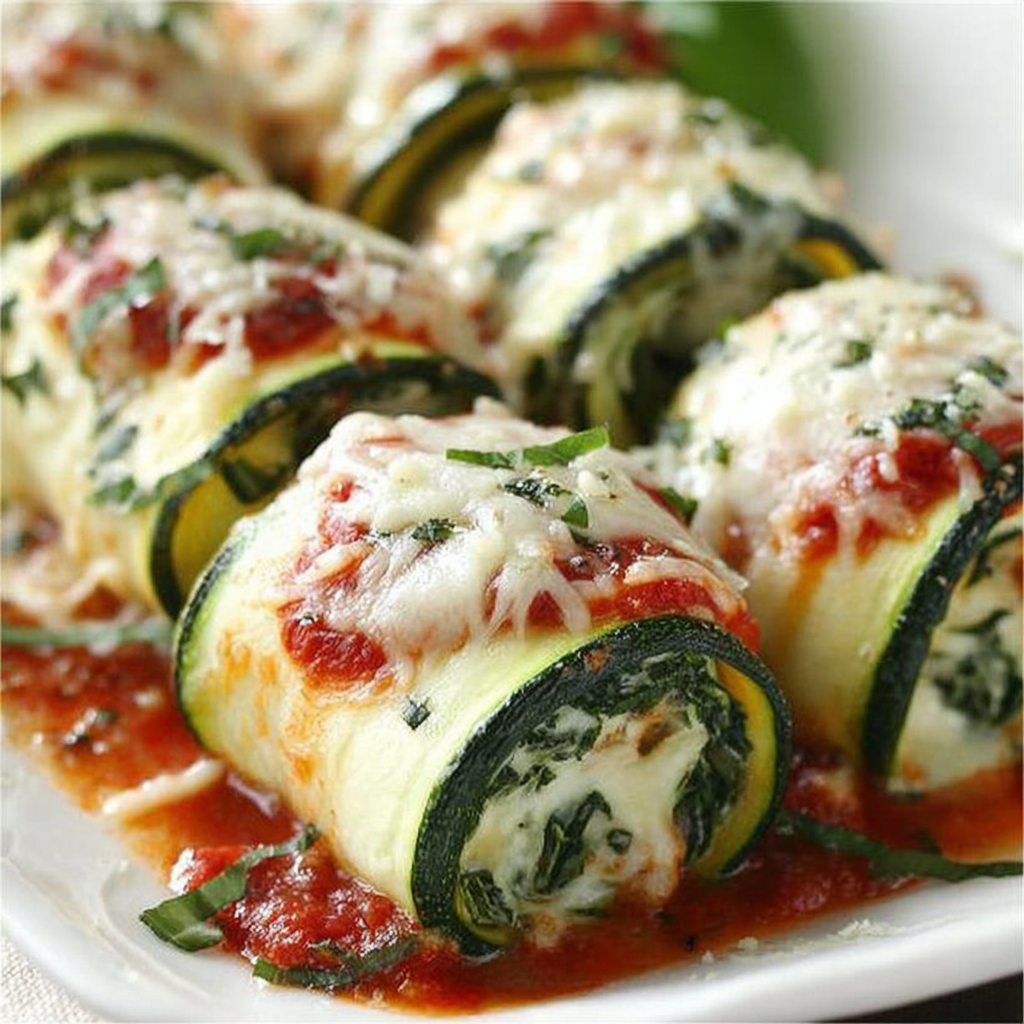
Tender grilled zucchini wraps basil ricotta, bathed in marinara and mozzarella, baking into a bubbly, lighter Italian comfort dinner ready in 30 minutes.
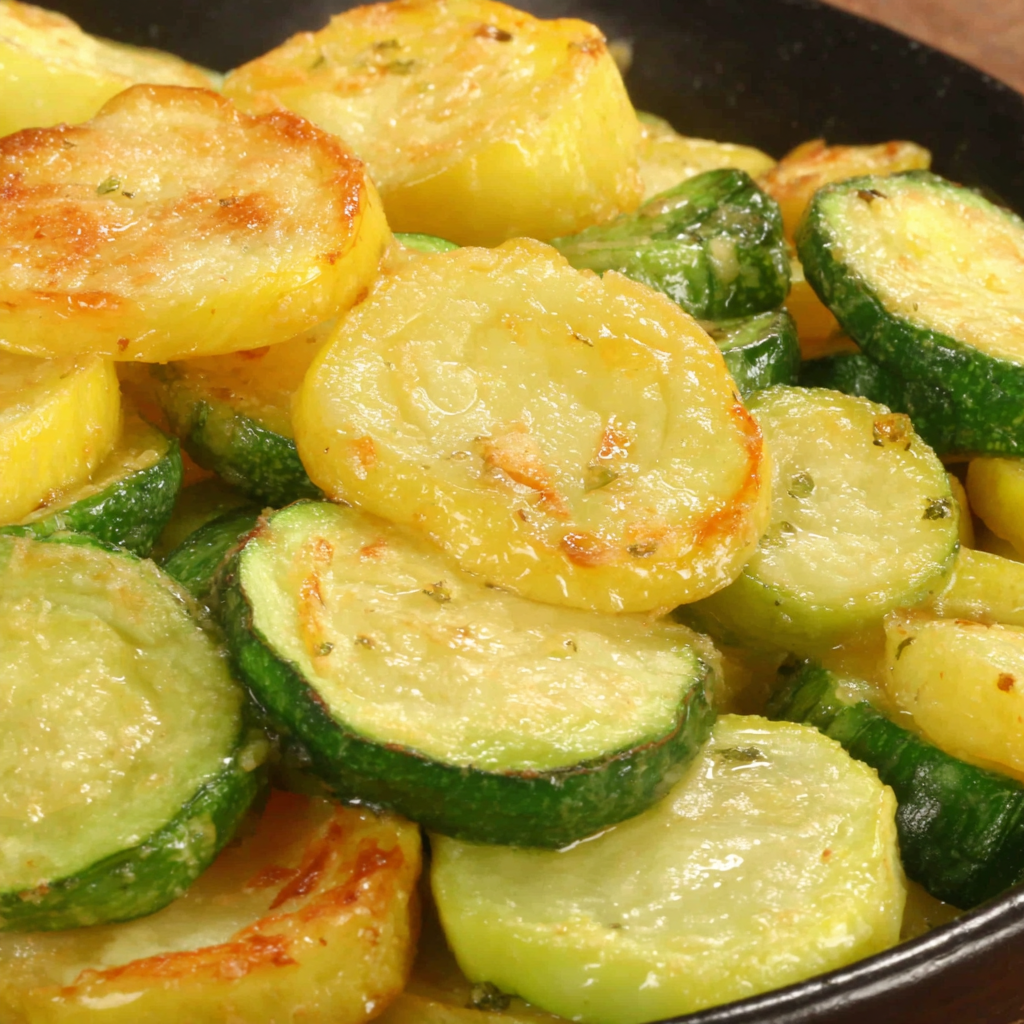
Crisp-edged, tender-in-the-middle zucchini and yellow squash made in 15 minutes with pantry spices. A vibrant, veggie-forward side everyone devours.
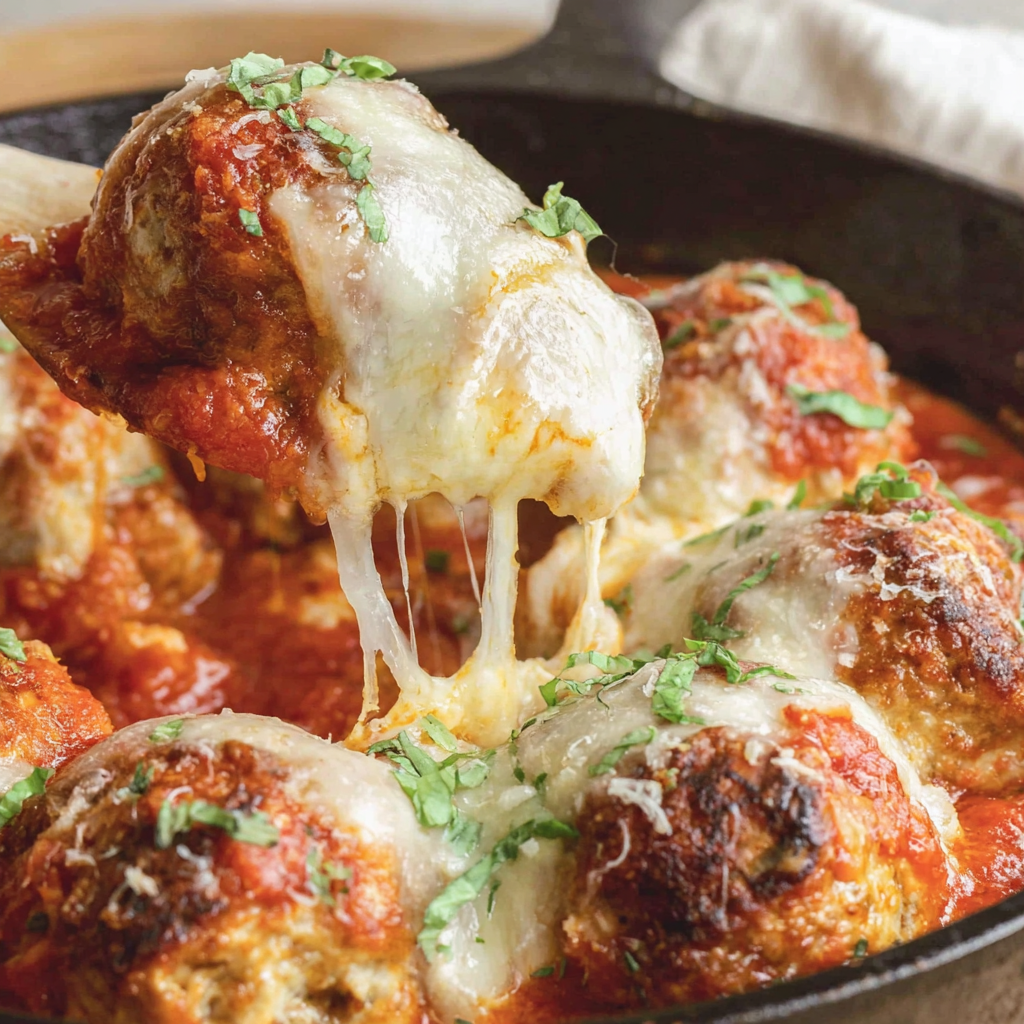
Tender chicken meatballs simmered in rich marinara and blanketed with melty mozzarella, bringing all the flavors of chicken parm in cozy, bite-sized form.
Leave a comment & rating below or tag @yummique on social media!
Enjoyed this recipe? Share it with friends and family, and don't forget to leave a review!
This recipe looks amazing! Can't wait to try it.
Comments are stored locally in your browser. Server comments are displayed alongside your local comments.

Join to receive our email series which contains a round-up of some of our quick and easy family favorite recipes.