>>

Thinly sliced onions soaked in reduced-fat buttermilk, dredged in seasoned flour, and fried to golden, crunchy perfection — the perfect side or snack.
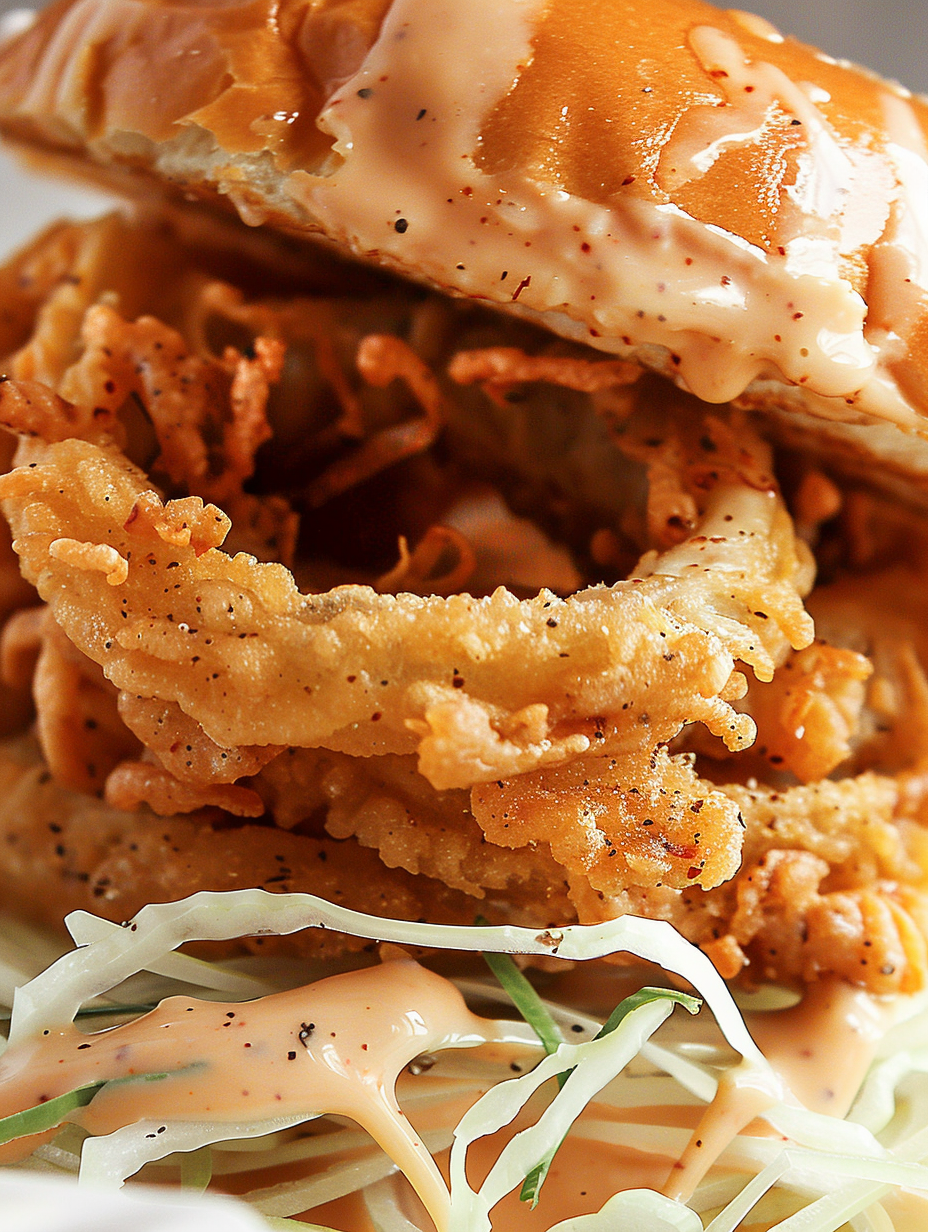
This recipe for crispy fried onion strings is one of those discoveries that turned an ordinary weeknight into a celebration of texture. I first learned this technique on a weekend when I had a single large Vidalia onion and a craving for something crunchy; after a short experiment with reduced-fat buttermilk and a well-seasoned flour mix, the result was spectacularly crunchy, lightly tangy, and addictive. The first batch vanished before I could set them on the table, and since then this method has become my go-to whenever I want a quick, impressive side or a crunchy topping for burgers and salads.
What makes these onion strings special is a simple three-part strategy: thin slicing for maximum surface area, a short soak in buttermilk to tenderize and add a faint tang, and an immediate dredge in seasoned flour that fries up paper-thin and ultra-crisp. The texture is delicate and shatters pleasingly under the bite, while the seasoning — smoked paprika, garlic powder, and kosher salt — keeps each string flavorful without overpowering the natural sweetness of the onion. Serve them hot straight from the oil, and watch how they transform a plain plate into something memorable.
In my home, these onion strings have become the unofficial welcome treat for guests. I recall serving them during a backyard barbecue; the platter disappeared so quickly that I made a second small batch on the spot. The reduced-fat buttermilk gives the coating a gentle tang without the heaviness, and the method is forgiving enough that even novice cooks get consistent results.
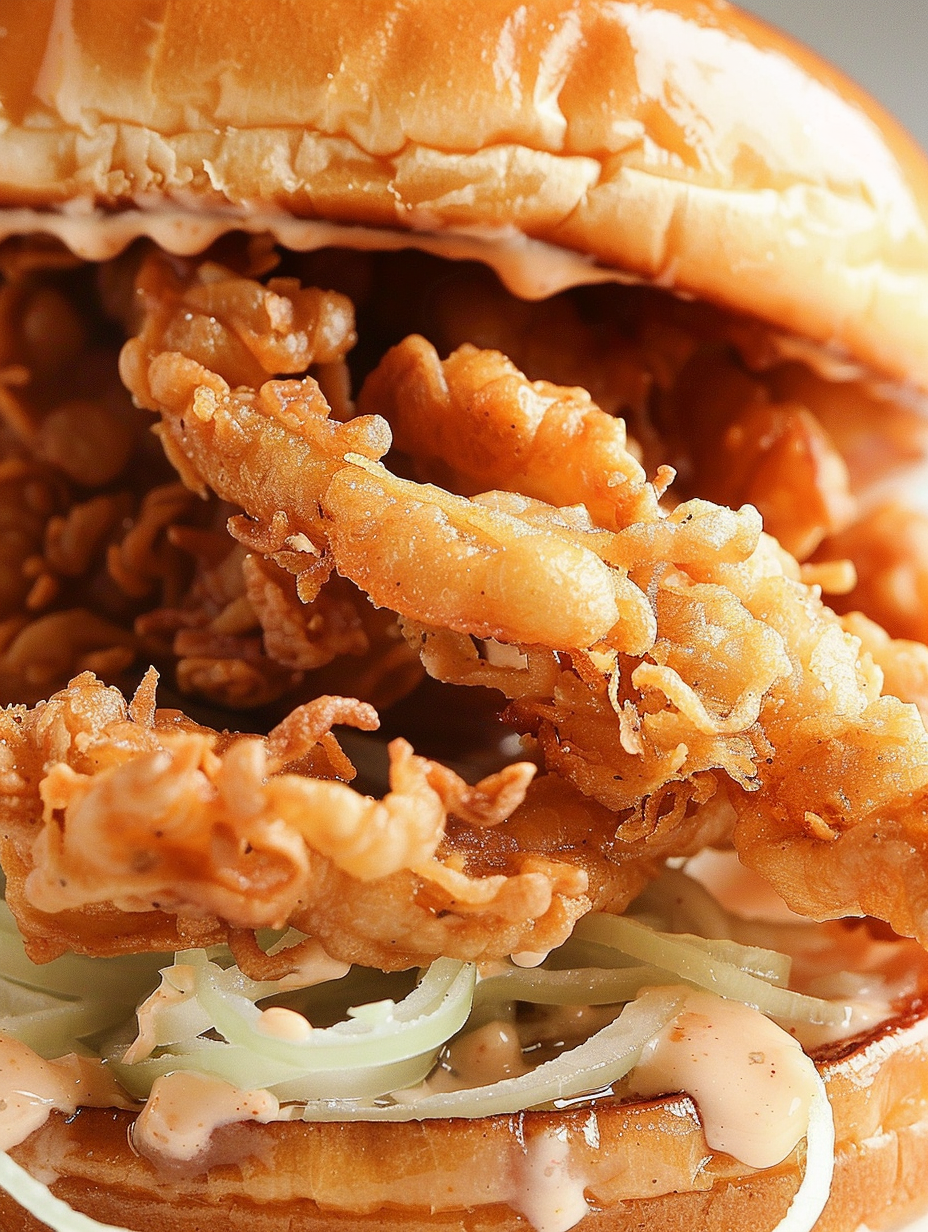
My favorite part of this method is how forgiving it is. Even when my slices were a touch thicker than ideal, the quick fry time and crisping on a wire rack rescued the batch. Guests often ask if I used a special batter — the secret is the buttermilk soak and the small-batch dredging that keeps each string separate and evenly coated.

For best texture, serve immediately. If you need to hold them briefly, arrange onion strings in a single layer on a wire cooling rack over a baking sheet; this prevents steam from softening the coating. At room temperature they remain acceptable for up to two hours. Refrigeration will make them limp; if refrigerated, reheat in a hot oven or air fryer at 400°F for 4 to 6 minutes to re-crisp, but expect some loss of the original lightness.
If you don’t have reduced-fat buttermilk, make a quick substitute by stirring 1 tablespoon white vinegar or lemon juice into 1 cup milk and letting it sit for 5 minutes. For a gluten-free version, swap cup-for-cup gluten-free all-purpose flour with a blend containing xanthan gum; you may need slightly less flour for a similar texture. Use avocado oil instead of canola for frying if you prefer a different flavor profile, and reduce the smoked paprika slightly if you prefer a milder seasoning.
Serve these as a crunchy side for grilled burgers, fried chicken, or steak; they are also brilliant sprinkled over macaroni and cheese or a green salad to add texture. Garnish with a sprinkle of flaky sea salt and a wedge of lemon for an elevated presentation. Pair with tangy dips like ranch, spicy aioli, or a smoked paprika mayo for a complementary flavor contrast.
Crispy onion coatings trace back to classic American diner fare where thinly battered and fried onions were a popular garnish for steaks and sandwiches. Variations exist around the world — from British onion rings to thin, crisp Japanese-style tempura onions — but this method focuses on ultra-thin strings and a simple seasoned flour, highlighting American comfort-food sensibilities while borrowing the buttermilk soak used in Southern fried applications.
In summer, choose sweet Vidalia or red onions for a mild profile that complements fresh tomatoes and grilled corn. In winter, use storage onions with a slightly longer soak to mellow stronger flavors. For holiday gatherings, season the flour with a pinch of cayenne and serve atop roasted turkey sandwiches to add a festive, crunchy contrast.
Slice onions and store them submerged in buttermilk in the refrigerator up to 12 hours in advance. Keep the seasoned flour in an airtight container at room temperature until ready to fry. When cooking for a crowd, set up an assembly line for dredging and have the oil at consistent 350°F. Fry in small batches and hold finished batches on a wire rack in a warm oven set to 200°F for short-term holding without steaming.
I served these onion strings at a family picnic and a friend declared them the best snack she’d had all summer — she even asked for the technique so she could replicate them at home. Another time, a picky teenager who dislikes vegetables used them as a crunchy topping on a salad and declared it improved the entire meal. Those moments remind me that texture can convert skeptics and make simple ingredients feel celebratory.
Make a batch tonight: the method is simple, the payoff big, and the crunch addictive. Share them fresh and enjoy watching how a humble onion becomes the star of the table.
Work in very small batches when dredging and frying to prevent clumping and to maintain oil temperature.
Use a thermometer and keep the oil at 350°F for consistent color and crispness.
Let cooked strings rest on a wire rack in a single layer to avoid steam-softening.
If you don’t have buttermilk, make a quick substitute with 1 cup milk plus 1 tablespoon vinegar or lemon juice.
Use a mandoline for the most consistent thin slices; always use the guard for safety.
This nourishing crispy fried onion strings recipe is sure to be a staple in your kitchen. Enjoy every moist, high protein slice — it is perfect for breakfast or as a wholesome snack any time.
Reheat in a 400°F oven or in an air fryer for 4–6 minutes to restore crispness. Avoid refrigeration unless necessary, as it softens the coating.
Yes — for rings, slice thicker and fry a few seconds longer so the center cooks through without burning the exterior.
This Crispy Fried Onion Strings recipe makes perfectly juicy, tender, and flavorful steak every time! Serve with potatoes and a side salad for an unforgettable dinner in under 30 minutes.
Use a mandoline or a sharp knife to slice the onion very thinly for strings or thicker for rings. Uniform slices ensure even frying.
Separate layers into strings, place in a shallow dish, pour 1 cup reduced-fat buttermilk over them, toss, and refrigerate for at least 1 hour to tenderize.
Whisk together 2 cups all-purpose flour, 2 teaspoons kosher salt, 2 teaspoons baking powder, 2 teaspoons smoked paprika, 2 teaspoons garlic powder, 2 teaspoons onion powder (optional), and 1/2 teaspoon black pepper until even.
Lift a few soaked strings at a time, let excess buttermilk drip off, and toss immediately in the seasoned flour to coat thoroughly, separating pieces to avoid clumps.
Heat canola oil to 350°F and fry coated strings in small batches for about 45–75 seconds until golden and crisp. Remove with a spider and drain on a wire rack in a single layer.
Allow strings to cool briefly on the rack to set their crispness; serve warm with your choice of dip or as a topping.
Last Step: Please leave a rating and comment letting us know how you liked this recipe! This helps our business to thrive and continue providing free, high-quality recipes for you.
Leave a comment & rating below or tag
@yummique on social media!
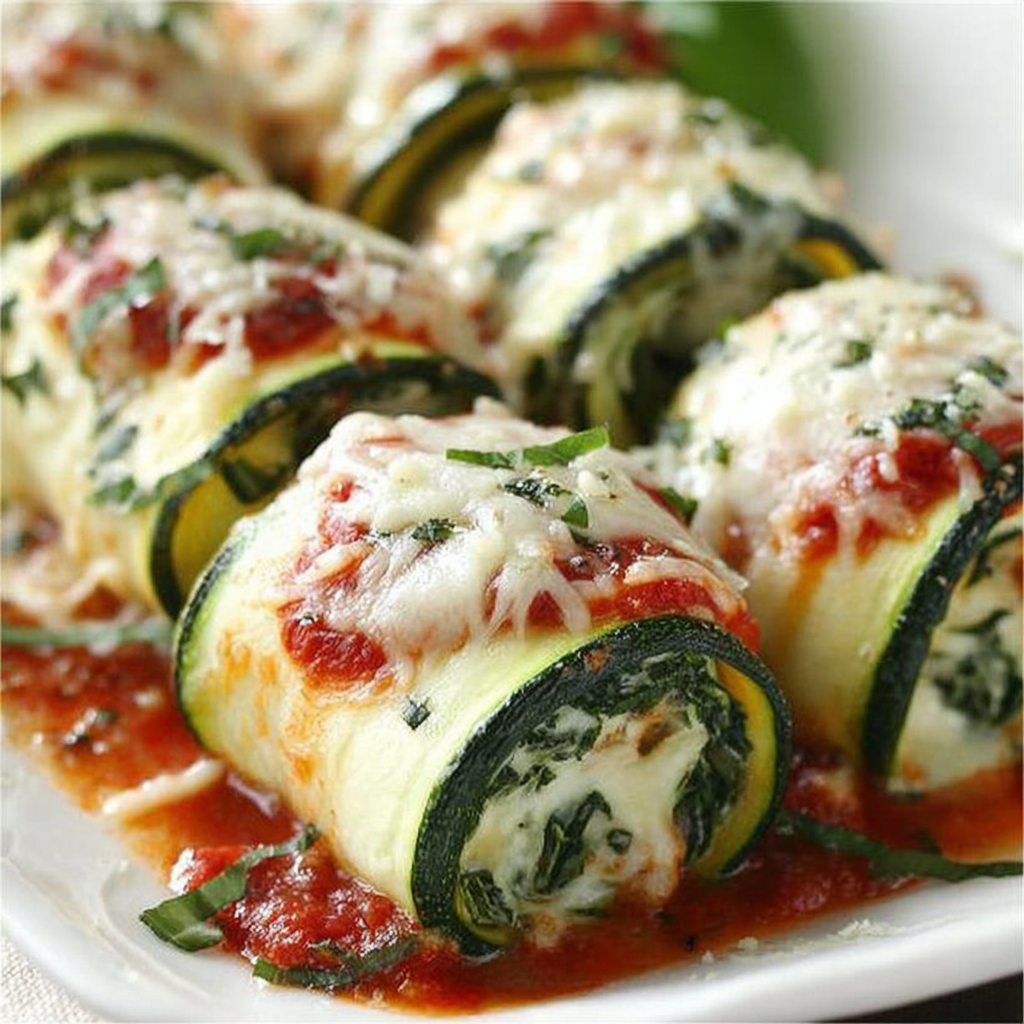
Tender grilled zucchini wraps basil ricotta, bathed in marinara and mozzarella, baking into a bubbly, lighter Italian comfort dinner ready in 30 minutes.
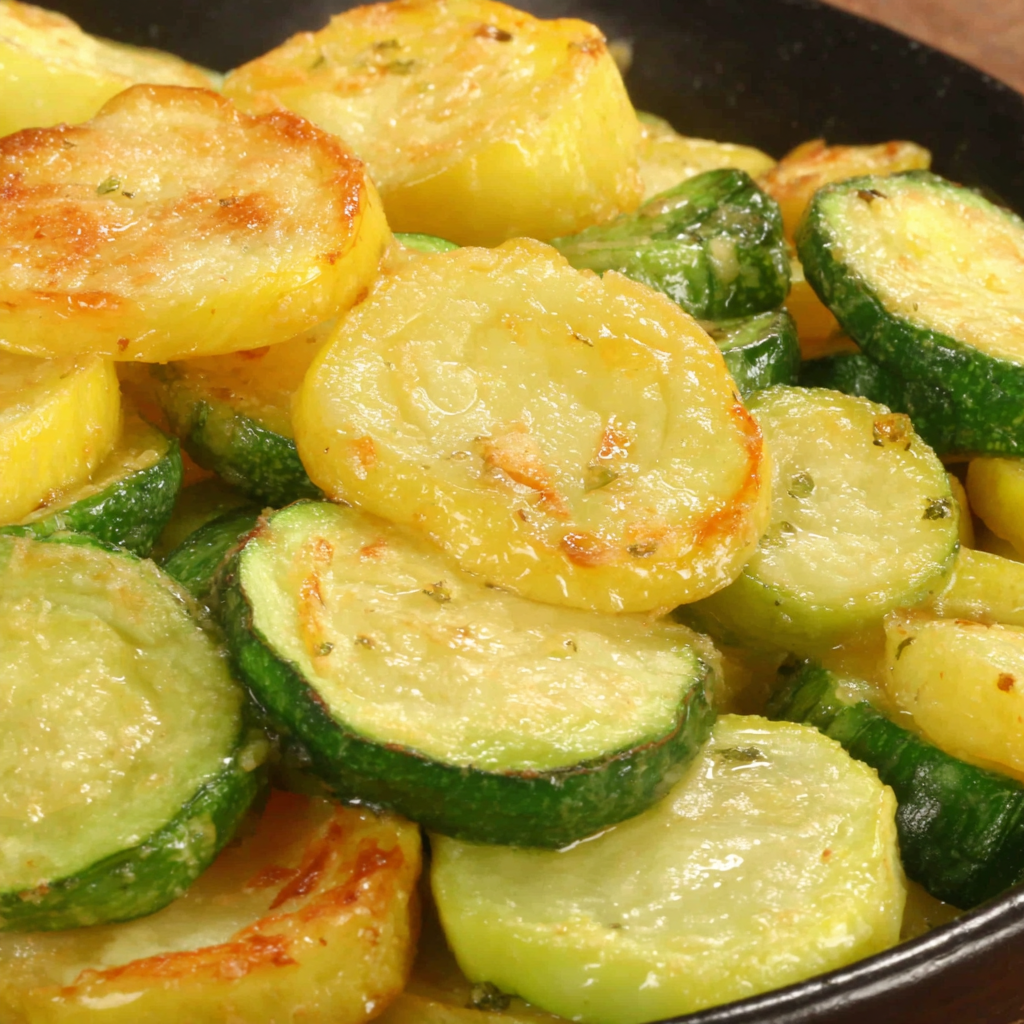
Crisp-edged, tender-in-the-middle zucchini and yellow squash made in 15 minutes with pantry spices. A vibrant, veggie-forward side everyone devours.
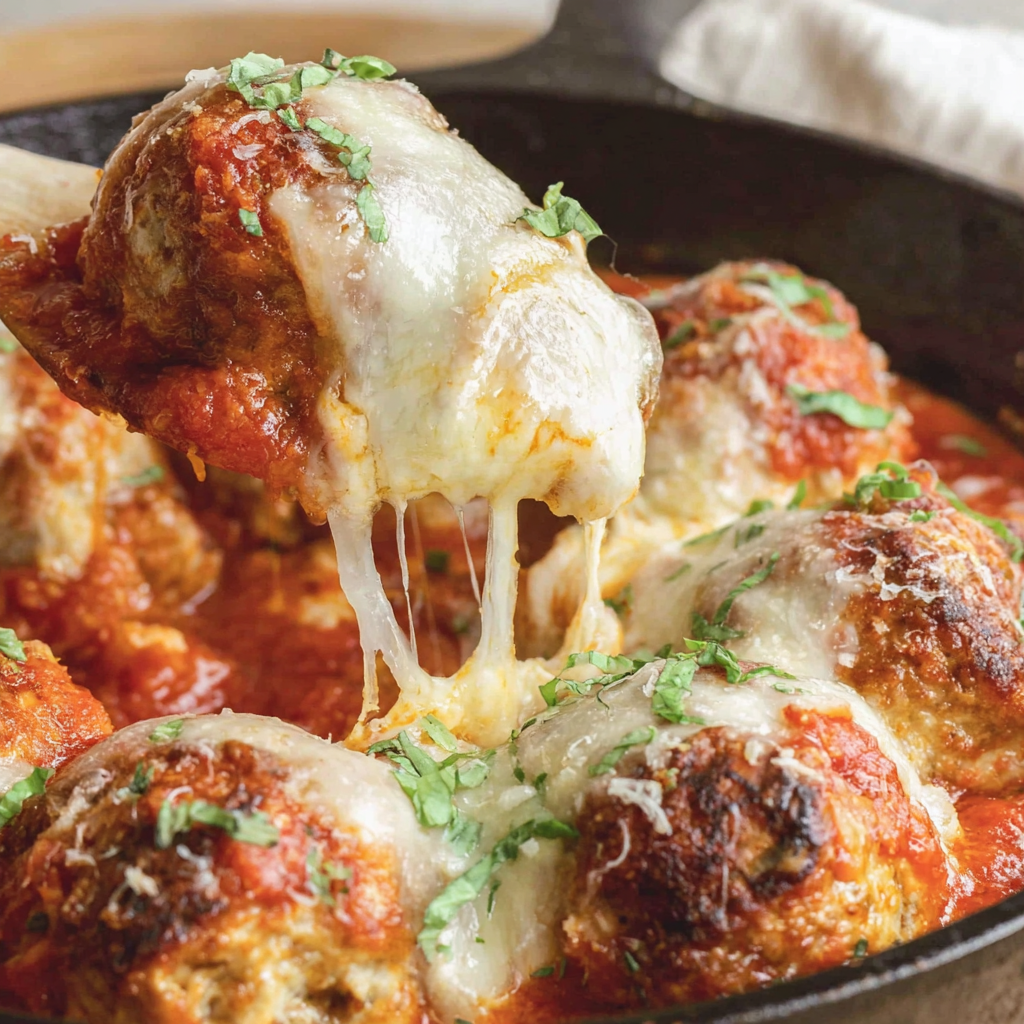
Tender chicken meatballs simmered in rich marinara and blanketed with melty mozzarella, bringing all the flavors of chicken parm in cozy, bite-sized form.
Leave a comment & rating below or tag @yummique on social media!
Enjoyed this recipe? Share it with friends and family, and don't forget to leave a review!
This recipe looks amazing! Can't wait to try it.
Comments are stored locally in your browser. Server comments are displayed alongside your local comments.

Join to receive our email series which contains a round-up of some of our quick and easy family favorite recipes.